Explore Our Latest Blogs
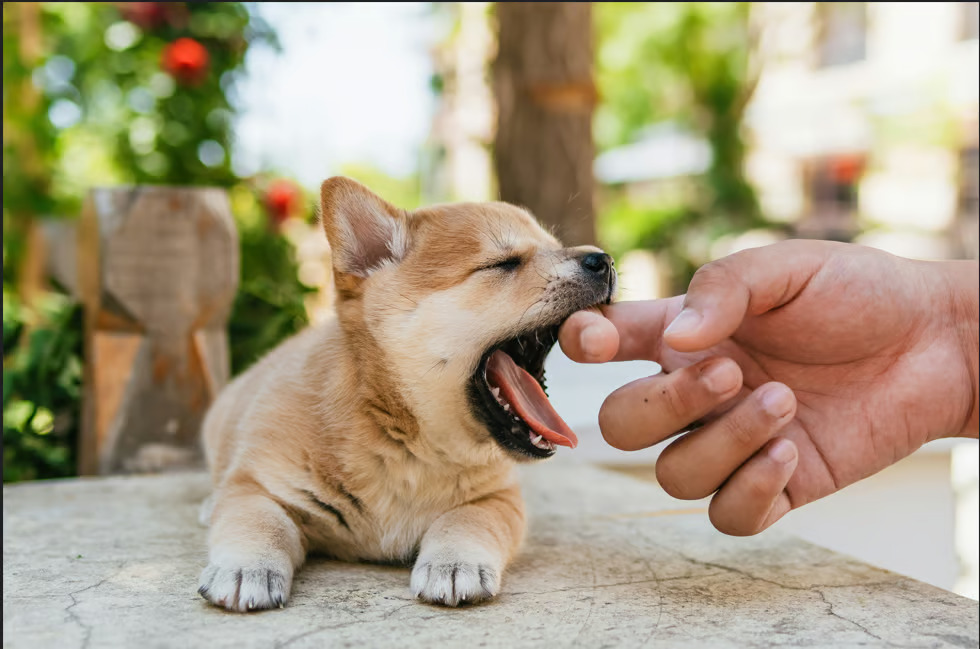
How to stop your puppies from biting?
Read More
How and When to Start Training Your Puppy?
Read More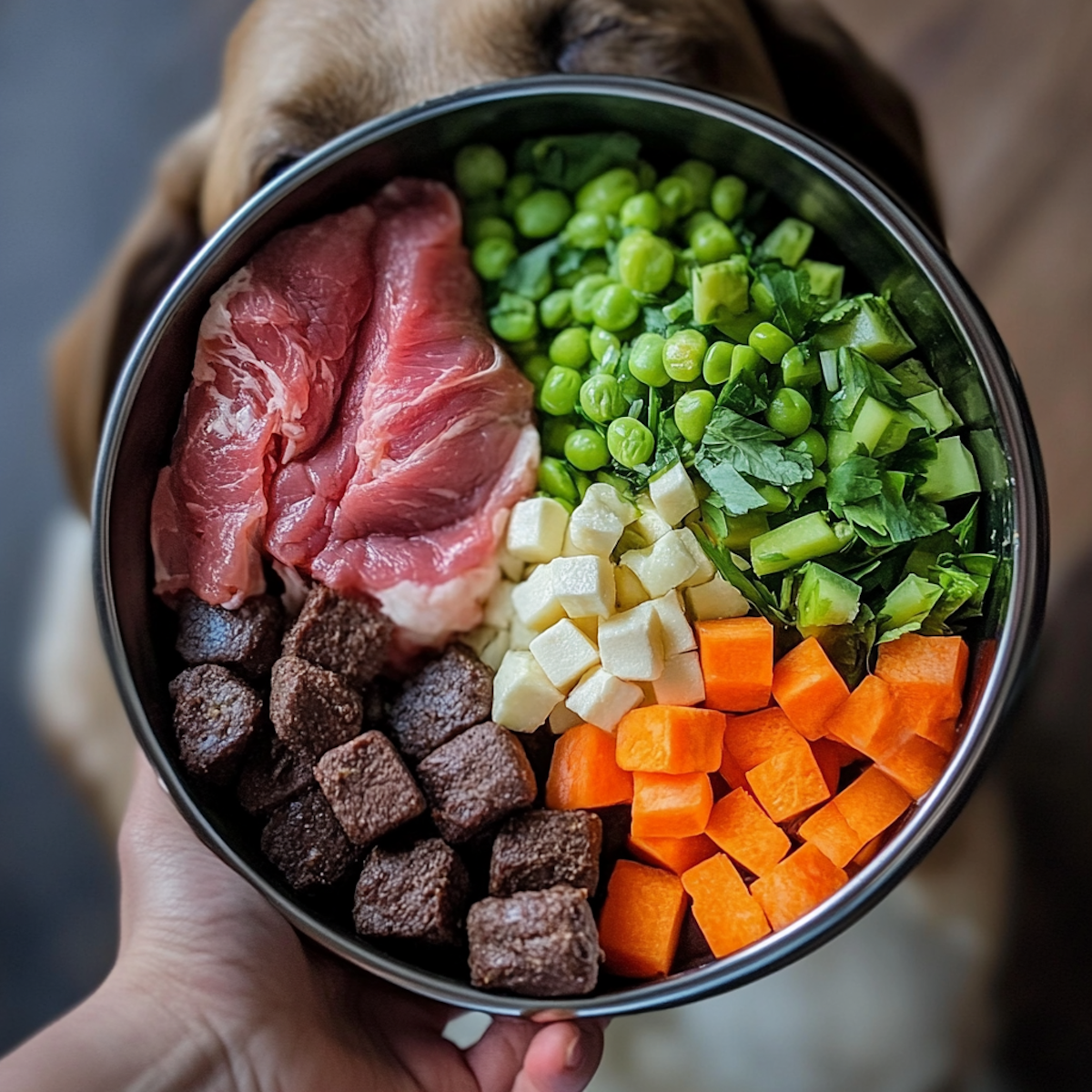
How Much to Feed Your Dog?
Read More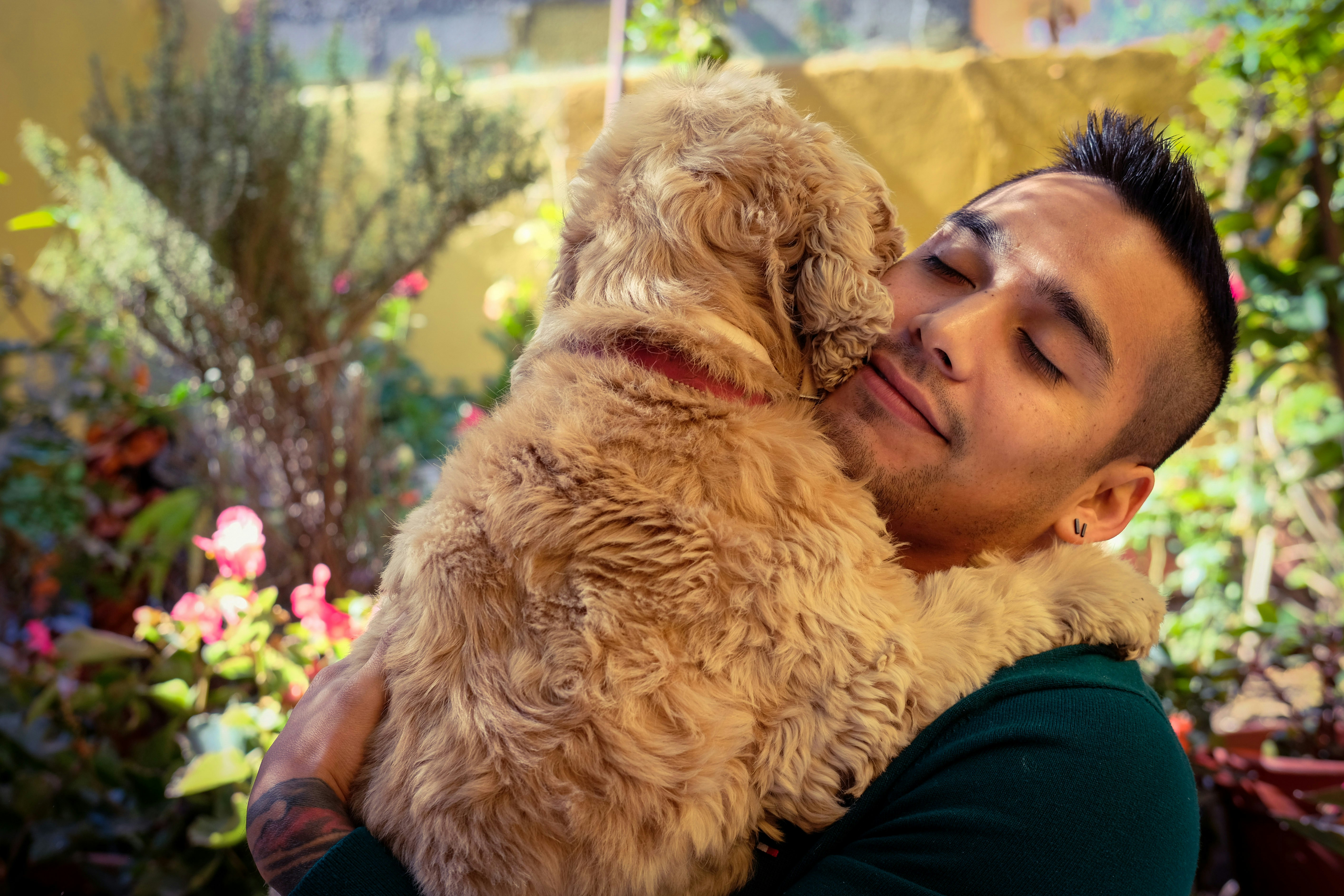
How To Bond With Your Dog?
Read More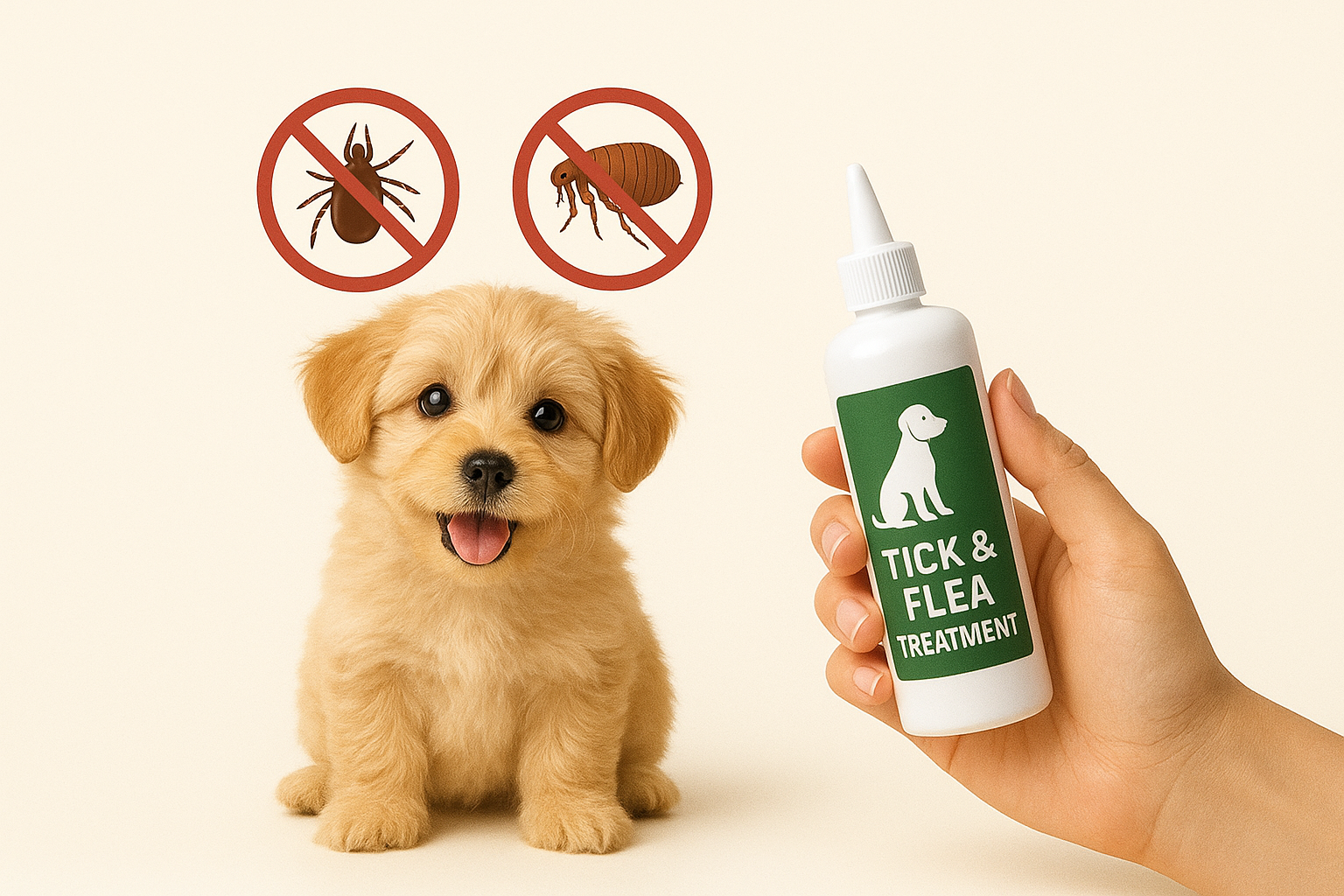
When to Start Flea and Tick Treatment for Puppies?
Read More
Side Effects of Pet Medications
Read More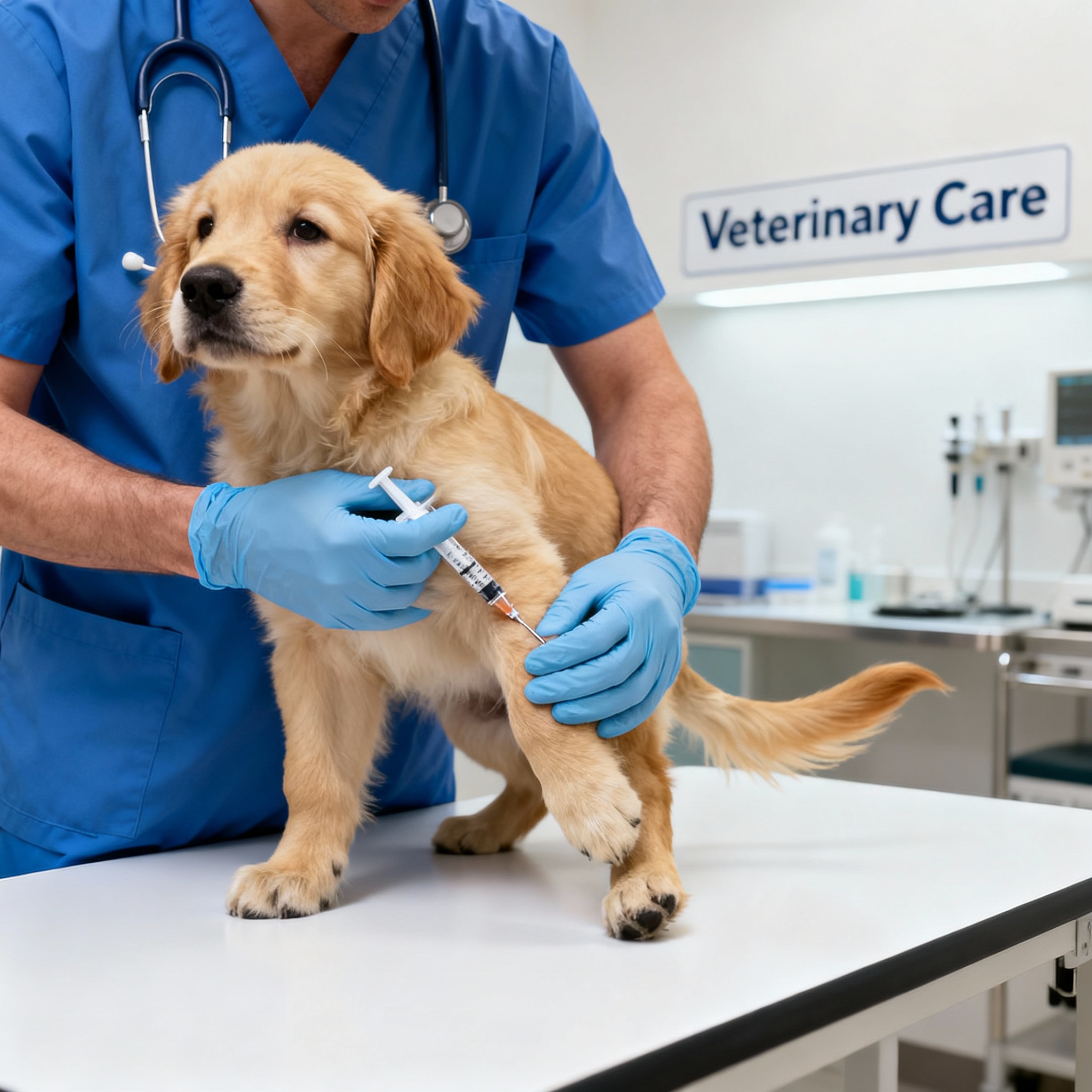
Puppy and Dog Vaccinations
Read More
Everything You Need to Know About Safely Travel With a Puppy
Read More
Upcoming Blogs
Read More
Upcoming Blogs
Read More🐾 Stop Puppy Biting: A Real-Life Guide for Tired (but Loving) Puppy Parents
If you’ve welcomed a new puppy into your home, you
already know the truth:
they’re adorable, hilarious…
and sometimes a tiny land-shark with needles for teeth.
Don’t
worry — you’re not alone. Every puppy parent goes through
the “why are you chewing me?”
phase. I’ve been there too. One of my puppies once gnawed
on my shoelaces while I was still wearing the shoes.
Another tried to eat the corner of my coffee table like it
was a snack.
Puppy biting is completely normal — but
that doesn’t mean you have to live with bruised fingers
forever. Let’s break down why puppies bite and what you
can actually do (today) to calm the chaos.
🐶
Why Puppies Bite (and Why It’s Not a Sign They’re
“Bad”)
1️⃣ Puppies Explore the World With Their Mouth
Remember how toddlers poke everything? Puppies do
the same… except with teeth.
Textures, fabrics, your
hands, your slippers — all of it is new and
fascinating.
They aren’t attacking you — they’re
learning.
2️⃣ Teething: Weeks 12–16 aka “The Great Chew Era”
Around 3–4 months, the teething switch flips on.
Their
gums feel itchy and uncomfortable, so they chew whatever
brings relief.
In my house, this was the time my
puppy tried to chew the TV remote. Twice.
You’ll
notice:
increased chewing
random nibbling on
your clothes
gnawing on table legs
the infamous
hand-biting
Totally normal. Not fun, but normal.
3️⃣ Play Biting & Bite Pressure Learning
Puppies learn
how hard is too hard when playing
with their littermates.
Imagine this:
Puppy A
bites Puppy B a little too hard → Puppy B yelps or stops
playing → Puppy A thinks, “Oops. Too much.”
When they
play with humans, they try the same thing… but we don’t
yelp in dog language.
So we have to teach them in a
way they understand.
✋ How to Reduce Puppy
Biting Without Stress
Here are the techniques that
actually work — not the internet myths.
1️⃣ Redirect, Don’t Scold
When your puppy grabs your hand, gently pause the
interaction and offer something
they’re allowed to chew.
Try
toys like:
Soft rubber teething toys
Small KONG
toys
Rope toys (only with supervision)
Plush
squeaky toys
The trick is consistency:
Hands are never chew toys. Toys are always chew
toys.
I used to keep two or three toys next to me at all
times — worked like magic.
2️⃣ When Biting Gets Too Much, Use a Short Time-Out
Not a punishment.
Just a moment of “biting =
fun ends.”
Try this:
Puppy bites too hard
You
calmly stand up or turn away for 20–30 seconds
Return
and offer a toy
No drama. No yelling.
Just a
simple consequence they can understand.
3️⃣ Don’t Accidentally Encourage Biting
If you wave your hands like a bird or wiggle your
toes under a blanket…
your puppy will
absolutely think this is a new
game.
Avoid:
teasing the puppy with your
fingers
rough play that gets them overexcited
“cute”
biting games (they stop being cute when the puppy
grows)
4️⃣ Stay Positive (Really, It Makes a Difference)
Punishment — yelling, tapping the nose, scaring
them — doesn’t teach them
what to do.
It only confuses
them and can create fear.
Reward calmness.
Reward
gentle chewing.
Reward when they choose a toy instead
of your hand.
What you reward → repeats.
5️⃣ Socialization Helps More Than People Think
Let your puppy meet other puppies in a safe
environment (classes, puppy playgroups).
They’ll
learn:
bite control
appropriate play
boundaries
It’s
amazing how much puppies teach each other in just a few
minutes.
6️⃣ Help Them Through Teething Discomfort
Try these:
frozen washcloth (my favorite
trick!)
soft rubber toys
freezable chew toys
Avoid
extremely hard bones or antlers — baby teeth can chip
easily.
🐕
What About Adult Dogs Who Still Nip?
A dog who never learned bite inhibition as a puppy
might continue nipping because:
they don’t know their
strength
they get overexcited
they never had
proper training
If your dog is older and still
biting, it’s best to get help from:
a Certified Dog
Behavior Consultant (CDBC)
a Veterinary Behaviorist
(DACVB or CAAB)
These professionals can create a plan
tailored to your dog’s history.
💡
Quick Tips (The “Fridge Door” Version)
Don’t pull your hand away suddenly — it excites
them
Use a calm “Ouch!” if they bite too hard, then
pause the game
Give them safe chewing outlets
Teach
everyone in the home the same rules
Tired puppy =
less biting. Add brain games and short play sessions
❤️
Final Thoughts
Puppy biting
feels endless, but I promise — it
doesn’t last forever.
With
consistency, gentleness, and a few good toys, your puppy
will learn:
“Biting people makes the fun stop.
Chewing toys keeps the fun going.”
Stay patient,
celebrate the small wins, and enjoy the journey.
One
day soon, you’ll look back and laugh at how tiny their
teeth used to be.
🐾 How and When to Start Training Your Puppy?
Bringing a puppy home is one of life’s sweetest
experiences. Their tiny paws, floppy ears, and boundless energy
can melt your heart… and destroy your socks. Trust me, I’ve been
there. One of my first puppies decided that my favorite pair of
sneakers was just the right chew toy.
Lesson learned: puppy training starts immediately — and yes,
even at eight weeks old.
Training a puppy isn’t about
making them perfect overnight. It’s about building a bond,
teaching boundaries, and having some fun along the way. Here’s
how you can start your journey from day one.
🐶 When
to Start Training
You might think, “My puppy is so small!
Can they even learn?” The answer is
absolutely yes. Training can start
as soon as you bring your puppy home,
usually around 8 weeks.
The most critical learning window
is roughly 6–16 weeks, when puppies are
like little sponges. Everything they see, hear, and experience
shapes their habits — from chewing on your fingers to learning
sit, stay, and come. Start early, and you’ll prevent unwanted
behaviors like excessive barking, biting, or destroying your
favorite slippers.
🐾 Puppy Training Tips for
Beginners
1️⃣ Reward, Don’t Punish
Positive reinforcement is key. Puppies respond to rewards
— treats, toys, or praise — rather than punishment. Think of it
like teaching a toddler: scolding doesn’t help them learn;
showing them the right behavior does.
✅ Tip: If your puppy
isn’t food motivated, use toys or playtime as the reward. A
quick game of tug or a “good job!” can work wonders.
2️⃣ Keep Sessions Short
Puppies have tiny attention spans. Think mini-sprints,
not marathons. Aim for
5-minute sessions, 3 times a day. End
on a high note, so they look forward to the next session instead
of hiding under the couch.
3️⃣ Be Consistent
Use the same words and gestures for each command.
Consistency is everything. For example, when potty training,
reward immediately after they go outside — don’t wait 10
minutes, or they’ll get confused.
4️⃣ Practice in Different Places
Once your puppy masters a command at home, start
practicing outside. Parks, quiet streets, or even your backyard
work. Small exposures to new environments build confidence —
just make sure vaccinations are up to date!
5️⃣ Patience Is Your Best Friend
Puppies are like toddlers: they mess up, they explore,
they test boundaries. Stay calm, stick to routines (meals, potty
breaks, naps), and remember: a relaxed puppy is a teachable
puppy.
🐕 Step-by-Step Puppy Training
Potty Training
Start around 8–12 weeks. Take your puppy to the same spot
outside, leash on, and give them 5 minutes. Reward immediately
when they go. Most puppies get the hang of it in
1–4 weeks if you’re consistent.
Crate Training
A crate is their safe space and helps with potty training
and separation anxiety.
Tips:
Choose a crate that’s big enough to stand, turn, and lie
down.
Place it in a quiet but social area.
Gradually
increase crate time, always keeping it positive.
Teaching Basic Commands (Sit, Stay, Come)
Start indoors with treats and praise. Once they
understand, practice outside with distractions. These commands
aren’t just cute — they keep your puppy safe.
Leash Training
Start indoors: clip the leash on, walk in small steps,
and reward staying close. Move outside once they’re comfortable.
Over time, this prevents pulling and makes walks enjoyable for
both of you.
Socialization
Expose your puppy to different people, pets, sounds, and
environments. Short, positive outings (10–15 minutes) work
best:
Walk past a group of people
Visit a pet-friendly
beach
Ride in an elevator or car
Explore trails and
parks
Socialization now prevents fear or aggression
later.
🐾 Puppy Training FAQs
Q: How long does it take to train a puppy?
A: Basic commands usually click by 5–6 months. Training
is lifelong, though, so keep practicing.
Q: When should I start puppy classes?
A: Typically 12–16 weeks, after vaccinations. Focus:
socialization, obedience, and confidence-building.
Q: What should I teach first?
A: Start with “watch” (eye contact). Once your puppy is
paying attention, commands like sit, stay, and come come
naturally.
❤️ Final Thoughts
Puppy training
isn’t a race — it’s a journey. With early training, positive
reinforcement, patience, and short, consistent sessions, you’ll
raise a confident, obedient, and happy dog.
Remember: every
little success counts. Today it’s sitting on command, tomorrow
it’s waiting calmly at the door, and soon you’ll have a lifelong
companion who listens, loves, and keeps you laughing — even when
they steal your socks.
🐾 How Much to Feed Your Dog: A Complete Guide
Stop Puppy Biting: Causes, Tips, and Training Solutions
Puppy
biting is normal, but it can be painful and frustrating for pet
parents. Understanding
why puppies bite and learning how to
redirect this behavior early is essential for raising a gentle,
well-behaved dog.
This guide covers:
why puppies bite, how to stop puppy biting, teething
solutions, and socialization tips.
Why Do Puppies Bite?
1. Exploring the World
Puppies use their mouths to
investigate textures, tastes, and pressure. Chewing teaches them
what’s safe to bite and what isn’t.
2. Teething Puppies
(12–16 Weeks)
· Adult teeth begin to grow in,
making gums sore.
· Peak biting occurs around 13
weeks.
· Puppies may chew on your hands, furniture,
or clothing.
3. Play Behavior & Bite Inhibition
·
Play biting teaches puppies
how hard to bite.
·
Example: Puppy A bites too hard → Puppy B stops playing → Puppy
A learns to soften their bite.
· Puppies may bite
humans during play, but this can be corrected with training.
How to Stop Puppy Biting
Step 1: Redirect Chewing
· Offer
age-appropriate chew toys:
o
KONG Puppy Binkie Chew Toy, Small, Blue
o Chuckit! Ultra
Rubber Ball, Small, 2-pack
o KONG Puppy Goodie Bone with
Rope, X-Small
o Multipet Lamb Chop Squeaky Plush Dog
Toy, Mini
· When your puppy bites hands or clothes,
stop play immediately and redirect to a
toy.
· Praise them when they chew toys instead of
people.
Step 2: Use Time-Outs
If your
puppy refuses the toy:
1.
Leave the room or go behind a gate for
20–30 seconds.
2. Return and resume play with a
toy.
3. Repeat consistently to teach that biting
people ends fun, but biting toys keeps play going.
Step
3: Avoid Encouraging Nipping
· Never wave hands or
toes for your puppy to chase.
· Harmless nips now
can become painful bites as they grow.
Step 4:
Positive Reinforcement Only
· Avoid punishment
(yelling, hitting, or harsh corrections).
· Reward
gentle play and toy chewing with treats, praise, or playtime.
Step
5: Puppy Socialization
· Socialization classes help
puppies learn bite inhibition from
littermates and other pups.
· Puppies learn
appropriate play behavior in a safe, controlled environment.
·
⚠️ Only include puppies; adult dogs with fully developed teeth
should not mix.
Step 6: Manage Teething
Discomfort
· Use soft rubber or
freezable teething toys.
·
Frozen washcloths are a safe alternative for soothing gums.
·
Avoid hard bones or toys that can damage baby teeth.
Nipping and Biting in Adult Dogs
Teaching bite inhibition early is crucial. Adult dogs
that haven’t learned may:
· Bite too hard, causing
injury.
· Be difficult to manage.
If biting
persists in an adult dog:
· Consult a
Certified Dog Behavior Consultant (CDBC)
· Or a
Veterinary Behaviorist (DACVB/CAAB) for
professional help.
Quick Tips to Stop Puppy Biting
· Remain calm—don’t jerk hands or yell.
·
Use a sharp “Ouch!” and stop play if
bitten too hard.
· Reward gentle behavior with
toys, praise, or treats.
· Consistency is
key—everyone in the household must follow the same rules.
FAQs About Puppy Biting
Q1: Is puppy biting normal?
Yes. Puppies explore with their mouths and play-bite.
With proper training, they outgrow it.
Q2: How long does puppy biting last?
Peak biting is at 12–16 weeks. Most puppies learn bite
inhibition by 6 months.
Q3: Should I punish my puppy for biting?
No. Punishment can lead to fear and aggression. Redirect
and reward proper behavior.
Q4: What are the best toys for teething puppies?
· Soft rubber chew toys (KONG Puppy, Binkie)
·
Freezable toys or frozen washcloths
· Rope toys
(supervised)
Q5: Can puppy socialization reduce biting?
Yes! Classes help teach bite inhibition and proper play
behavior with other puppies.
Final Thoughts
Puppy biting is
normal and temporary. With
positive reinforcement, chew toys, socialization, and
time-outs, you can teach your puppy bite inhibition and redirect energy
toward safe behaviors.
Start early, be consistent, and
enjoy a happy, well-behaved companion!
🐾 How To Bond With Your Dog?
Protecting your puppy from
fleas and ticks is an essential part of
responsible pet care. These parasites can cause itching,
infections, and even transmit serious diseases to both pets and
humans. But
when should you start flea and tick treatment for puppies?
The answer depends on your puppy’s
age, weight, and the product you choose. Understanding these factors will help ensure your puppy stays
safe and protected.
Key Takeaways
The timing for flea and tick treatment varies based on
your puppy’s
age, weight, and product guidelines.
Most puppies can start treatment between
8–12 weeks old, weighing at least 2–4
pounds.
Fleas and ticks can cause
itching, skin infections, and transmit diseases, making prevention crucial.
Don’t skip doses, and treat
all pets in the household with
species-specific products.
Treating an active infestation
often involves addressing both the
pet and the environment.
When to Start Flea and Tick Treatment
You don’t want to wait until your puppy has fleas or
ticks. Prevention is key.
Typical starting age:
8–12 weeks
Weight requirement:
Usually 2–4 pounds
Examples:
NexGard PLUS Chewables are safe for puppies 8 weeks and older
weighing at least 4 pounds
Tip:
Always read the product label and consult your vet to ensure the
treatment is safe for your puppy’s age, weight, and health
status.
What If My Puppy Is Too Young?
For puppies too young for flea and tick treatments:
Limit
exposure to grassy or infested areas
Maintain a clean
environment (wash bedding, vacuum floors)
Use a
flea comb to remove adult fleas
Bathe
with gentle dish soap if necessary
Use
tweezers or tick removal tools to
safely remove ticks
Why Flea and Tick Control Is Important
Fleas and ticks can cause significant health issues:
Fleas Can:
Spread tapeworms to pets and humans
Transmit plague,
murine typhus, and cat scratch fever
Cause itching,
allergic reactions, anemia, and dermatitis
Ticks Can Transmit:
Lyme disease
Babesiosis
Ehrlichiosis
Rocky
Mountain spotted fever
Anaplasmosis and many other serious
illnesses
Tips for Starting Flea and Tick Treatment
1. Start Early
Begin
age- and weight-appropriate treatments
as soon as it’s safe to protect against discomfort and
disease.
2. Choose the Right Product for Your Puppy
Common options include:
Oral Medications:
Pills or chewables like NexGard PLUS, given monthly
Topical Treatments (Spot-Ons):
Applied to the skin monthly
Flea and Tick Collars:
Slowly release active ingredients for long-lasting protection
Sprays:
Applied to the coat for fast-acting relief
Shampoos:
Kill fleas and ticks on contact during baths
3. Consider the Parasite Spectrum
Some products protect against fleas, ticks, lice, mites,
and even heartworms or intestinal parasites. Read labels to
confirm the product covers the parasites relevant to your
region.
4. Don’t Skip Doses
Set reminders for monthly or scheduled treatments to
maintain consistent protection.
5. Treat All Pets in the Household
Fleas and ticks can transfer between pets. Use
species-specific products for dogs and
cats.
6. Keep the Environment Clean
Vacuum regularly
Wash bedding in hot water
Maintain
outdoor areas to reduce parasite habitats
FAQs: Flea and Tick Treatment for Puppies
Q1: When can you start flea and tick treatment for a
puppy?
Most puppies can start between
4–8 weeks, depending on the product.
Always check
age and weight guidelines and consult
your vet.
Q2: What flea and tick treatment can I use for a puppy under
6 weeks?
Bath your puppy with a gentle dish soap to remove fleas,
then use a flea comb. Only certain products are safe for puppies
6 weeks and older.
Q3: What kills fleas on puppies instantly?
Flea and tick shampoos appropriate for your puppy’s
age and weight can kill fleas on
contact. Treat the home and yard as well for complete
control.
Q4: How do I protect puppies from ticks if they are too young
for medication?
Limit outdoor exposure, maintain a clean environment, and
remove ticks manually with tweezers or tick removal tools.
Final Thoughts
Starting
flea and tick treatment early is
essential for your puppy’s health and comfort. Always use
age- and weight-appropriate products,
treat all pets in the household, and maintain a clean
environment. Prevention ensures your puppy stays healthy, happy,
and protected from harmful parasites.
🐾 When to Start Flea and Tick Treatment for Puppies?
Protecting your puppy from
fleas and ticks is an essential part of
responsible pet care. These parasites can cause itching,
infections, and even transmit serious diseases to both pets and
humans. But
when should you start flea and tick treatment for puppies?
The answer depends on your puppy’s
age, weight, and the product you choose. Understanding these factors will help ensure your puppy stays
safe and protected.
Key Takeaways
The timing for flea and tick treatment varies based on
your puppy’s
age, weight, and product guidelines.
Most puppies can start treatment between
8–12 weeks old, weighing at least 2–4
pounds.
Fleas and ticks can cause
itching, skin infections, and transmit diseases, making prevention crucial.
Don’t skip doses, and treat
all pets in the household with
species-specific products.
Treating an active infestation
often involves addressing both the
pet and the environment.
When to Start Flea and Tick Treatment
You don’t want to wait until your puppy has fleas or
ticks. Prevention is key.
Typical starting age:
8–12 weeks
Weight requirement:
Usually 2–4 pounds
Examples:
NexGard PLUS Chewables are safe for puppies 8 weeks and older
weighing at least 4 pounds
Tip:
Always read the product label and consult your vet to ensure the
treatment is safe for your puppy’s age, weight, and health
status.
What If My Puppy Is Too Young?
For puppies too young for flea and tick treatments:
Limit
exposure to grassy or infested areas
Maintain a clean
environment (wash bedding, vacuum floors)
Use a
flea comb to remove adult fleas
Bathe
with gentle dish soap if necessary
Use
tweezers or tick removal tools to
safely remove ticks
Why Flea and Tick Control Is Important
Fleas and ticks can cause significant health issues:
Fleas Can:
Spread tapeworms to pets and humans
Transmit plague,
murine typhus, and cat scratch fever
Cause itching,
allergic reactions, anemia, and dermatitis
Ticks Can Transmit:
Lyme disease
Babesiosis
Ehrlichiosis
Rocky
Mountain spotted fever
Anaplasmosis and many other serious
illnesses
Tips for Starting Flea and Tick Treatment
1. Start Early
Begin
age- and weight-appropriate treatments
as soon as it’s safe to protect against discomfort and
disease.
2. Choose the Right Product for Your Puppy
Common options include:
Oral Medications:
Pills or chewables like NexGard PLUS, given monthly
Topical Treatments (Spot-Ons):
Applied to the skin monthly
Flea and Tick Collars:
Slowly release active ingredients for long-lasting protection
Sprays:
Applied to the coat for fast-acting relief
Shampoos:
Kill fleas and ticks on contact during baths
3. Consider the Parasite Spectrum
Some products protect against fleas, ticks, lice, mites,
and even heartworms or intestinal parasites. Read labels to
confirm the product covers the parasites relevant to your
region.
4. Don’t Skip Doses
Set reminders for monthly or scheduled treatments to
maintain consistent protection.
5. Treat All Pets in the Household
Fleas and ticks can transfer between pets. Use
species-specific products for dogs and
cats.
6. Keep the Environment Clean
Vacuum regularly
Wash bedding in hot water
Maintain
outdoor areas to reduce parasite habitats
FAQs: Flea and Tick Treatment for Puppies
Q1: When can you start flea and tick treatment for a
puppy?
Most puppies can start between
4–8 weeks, depending on the product.
Always check
age and weight guidelines and consult
your vet.
Q2: What flea and tick treatment can I use for a puppy under
6 weeks?
Bath your puppy with a gentle dish soap to remove fleas,
then use a flea comb. Only certain products are safe for puppies
6 weeks and older.
Q3: What kills fleas on puppies instantly?
Flea and tick shampoos appropriate for your puppy’s
age and weight can kill fleas on
contact. Treat the home and yard as well for complete
control.
Q4: How do I protect puppies from ticks if they are too young
for medication?
Limit outdoor exposure, maintain a clean environment, and
remove ticks manually with tweezers or tick removal tools.
Final Thoughts
Starting
flea and tick treatment early is
essential for your puppy’s health and comfort. Always use
age- and weight-appropriate products,
treat all pets in the household, and maintain a clean
environment. Prevention ensures your puppy stays healthy, happy,
and protected from harmful parasites.
🐾 Side Effects of Pet Medications:
Stop Puppy Biting: Causes, Tips, and Training Solutions
Puppy
biting is normal, but it can be painful and frustrating for pet
parents. Understanding
why puppies bite and learning how to
redirect this behavior early is essential for raising a gentle,
well-behaved dog.
This guide covers:
why puppies bite, how to stop puppy biting, teething
solutions, and socialization tips.
Why Do Puppies Bite?
1. Exploring the World
Puppies use their mouths to
investigate textures, tastes, and pressure. Chewing teaches them
what’s safe to bite and what isn’t.
2. Teething Puppies
(12–16 Weeks)
· Adult teeth begin to grow in,
making gums sore.
· Peak biting occurs around 13
weeks.
· Puppies may chew on your hands, furniture,
or clothing.
3. Play Behavior & Bite Inhibition
·
Play biting teaches puppies
how hard to bite.
·
Example: Puppy A bites too hard → Puppy B stops playing → Puppy
A learns to soften their bite.
· Puppies may bite
humans during play, but this can be corrected with training.
How to Stop Puppy Biting
Step 1: Redirect Chewing
· Offer
age-appropriate chew toys:
o
KONG Puppy Binkie Chew Toy, Small, Blue
o Chuckit! Ultra
Rubber Ball, Small, 2-pack
o KONG Puppy Goodie Bone with
Rope, X-Small
o Multipet Lamb Chop Squeaky Plush Dog
Toy, Mini
· When your puppy bites hands or clothes,
stop play immediately and redirect to a
toy.
· Praise them when they chew toys instead of
people.
Step 2: Use Time-Outs
If your
puppy refuses the toy:
1.
Leave the room or go behind a gate for
20–30 seconds.
2. Return and resume play with a
toy.
3. Repeat consistently to teach that biting
people ends fun, but biting toys keeps play going.
Step
3: Avoid Encouraging Nipping
· Never wave hands or
toes for your puppy to chase.
· Harmless nips now
can become painful bites as they grow.
Step 4:
Positive Reinforcement Only
· Avoid punishment
(yelling, hitting, or harsh corrections).
· Reward
gentle play and toy chewing with treats, praise, or playtime.
Step
5: Puppy Socialization
· Socialization classes help
puppies learn bite inhibition from
littermates and other pups.
· Puppies learn
appropriate play behavior in a safe, controlled environment.
·
⚠️ Only include puppies; adult dogs with fully developed teeth
should not mix.
Step 6: Manage Teething
Discomfort
· Use soft rubber or
freezable teething toys.
·
Frozen washcloths are a safe alternative for soothing gums.
·
Avoid hard bones or toys that can damage baby teeth.
Nipping and Biting in Adult Dogs
Teaching bite inhibition early is crucial. Adult dogs
that haven’t learned may:
· Bite too hard, causing
injury.
· Be difficult to manage.
If biting
persists in an adult dog:
· Consult a
Certified Dog Behavior Consultant (CDBC)
· Or a
Veterinary Behaviorist (DACVB/CAAB) for
professional help.
Quick Tips to Stop Puppy Biting
· Remain calm—don’t jerk hands or yell.
·
Use a sharp “Ouch!” and stop play if
bitten too hard.
· Reward gentle behavior with
toys, praise, or treats.
· Consistency is
key—everyone in the household must follow the same rules.
FAQs About Puppy Biting
Q1: Is puppy biting normal?
Yes. Puppies explore with their mouths and play-bite.
With proper training, they outgrow it.
Q2: How long does puppy biting last?
Peak biting is at 12–16 weeks. Most puppies learn bite
inhibition by 6 months.
Q3: Should I punish my puppy for biting?
No. Punishment can lead to fear and aggression. Redirect
and reward proper behavior.
Q4: What are the best toys for teething puppies?
· Soft rubber chew toys (KONG Puppy, Binkie)
·
Freezable toys or frozen washcloths
· Rope toys
(supervised)
Q5: Can puppy socialization reduce biting?
Yes! Classes help teach bite inhibition and proper play
behavior with other puppies.
Final Thoughts
Puppy biting is
normal and temporary. With
positive reinforcement, chew toys, socialization, and
time-outs, you can teach your puppy bite inhibition and redirect energy
toward safe behaviors.
Start early, be consistent, and
enjoy a happy, well-behaved companion!
🐾 Puppy and Dog Vaccinations
🐾 Dog Vaccination Awareness Guide
Disclaimer:
The information below is for general awareness purposes only
and should not be considered medical advice. Always consult a
licensed veterinarian before giving any vaccine, medication,
or treatment to your pet.
Why Dog Vaccinations Matter
Vaccinations play
an important role in protecting dogs from many preventable
diseases. With advances in veterinary care, vaccines have become
safer and more effective over time.
Regular vaccination,
under veterinary supervision, also helps protect other pets and
people by reducing the spread of zoonotic diseases such as
rabies.
Core vs. Lifestyle Vaccines
Core Vaccines
(commonly recommended for most dogs)
DAP/DHPP:
Helps protect against Distemper, Adenovirus (Hepatitis),
Parvovirus, and sometimes Parainfluenza.
Rabies:
Legally required in most regions and protects against a fatal
virus transmissible to humans.
Leptospirosis:
A bacterial infection affecting kidneys and liver; in many
areas, veterinarians may recommend it as a core vaccine.
Lifestyle (Non-Core) Vaccines
These are given based on your dog’s
environment, exposure, and activities.
Factors that influence lifestyle vaccine needs
include:
Geographic location
Social interaction (dog
parks, daycare, boarding)
Outdoor activity or travel
Overall
health and immune status
Puppy Vaccination Schedule
Puppy vaccines are typically administered every 2–4 weeks
until around 16 weeks of age, depending on local disease risk
and veterinary guidance.
Age CoreVaccines Lifestyle Vaccines
6–8 weeks DAP* Bordetella, Parainfluenza
0–12 weeks DHLPP Lyme, Canine Influenza
14–16 weeks DHLPP, Rabies,Lyme, Canine Influenza
*DAP = Distemper, Adenovirus/Hepatitis, Parvovirus
(sometimes combined with Parainfluenza or Leptospirosis)
💡
Tip: To reduce exposure before full vaccination, some pet owners
use strollers or carriers. Check with your vet if this approach
is suitable for your puppy.
Adult Dog Vaccination Schedule
Adult dogs may continue receiving both core and lifestyle
vaccines as advised by their veterinarian.
Frequency
CoreVaccines
Lifestyle Vaccines
Annual Rabies (initial),Leptospirosis Lyme, Canine
Influenza, Bordetella
(some may need boosters every 6 months)
Every 3 years DAP, Rabies (after initial series) No 3-year
lifestyle vaccines currently recommended
Your veterinarian will design a schedule based on your dog’s
age, health, and exposure risks.
Diseases Prevented by Common Vaccines
Rabies:
Fatal virus transmissible to humans; vaccination is legally
mandated in most regions.
Distemper / Adenovirus / Parvovirus (DAP):
Viral infections that can cause severe illness or death.
Bordetella / Parainfluenza:
Causes kennel cough; often required for boarding or grooming
facilities.
Canine Influenza (H3N2/H3N8):
A contagious respiratory infection.
Leptospirosis:
Bacterial infection that can damage kidneys and liver; can also
affect humans.
Lyme Disease:
Tick-borne illness that can lead to fever, joint pain, and
kidney issues.
Vaccine Safety and Possible Side
Effects
Vaccines are generally safe, but some dogs
may experience mild reactions, such
as:
Small swelling or soreness at the injection site
Slight
fever
Temporary fatigue or reduced appetite
Contact your veterinarian immediately
if your pet shows serious signs such as:
Vomiting or
diarrhea
Facial or neck swelling
Difficulty breathing
or hives
Always inform your vet if your dog has reacted to
vaccines in the past.
FAQs
How many vaccines does a dog need?
It depends on your dog’s age, lifestyle, and local
disease risk. Your veterinarian can design a suitable
vaccination plan.
Is it ever too late to vaccinate a dog?
Dogs of most ages can safely receive vaccines based on
veterinary evaluation.
What happens if my dog is not vaccinated?
Unvaccinated dogs are at higher risk of contracting
preventable diseases—some of which can be life-threatening or
spread to humans.
Final Thoughts
Vaccinations
are widely recognized as an important part of
preventive pet care. Work with your
veterinarian to create a personalized plan that matches your
dog’s health, lifestyle, and local risk factors.
Keeping up
with regular vet visits ensures your furry friend enjoys a safe
and healthy life.
🐾 Everything You Need to Know About Safely Traveling With a Puppy
Bringing home a new puppy is exciting, and traveling together
can be a wonderful experience. Puppies are more adaptable than
older dogs, making it easier to get them comfortable with cars,
planes, and new environments. With the right preparation, you
can ensure a safe, stress-free trip for both you and your
puppy.
Before You Leave: Preparing Your Puppy for Travel
Proper preparation is key to a smooth journey. Here’s
what to do before hitting the road:
1. Introduce Your Puppy to the Car
Allow your puppy to explore and sniff the car before any
rides.
Let them settle in a safe spot—preferably the floor
or a stable crate.
Start with short drives, gradually
increasing distance.
Praise and reward your puppy for calm
behavior during rides.
2. Gather Essential Travel Gear
Make sure you have everything your puppy will need:
Crate or dog barrier
for safety and comfort
Harness and dog seatbelt
(never attach seatbelt to collar)
Two leashes
(primary and spare)
Collapsible water and food bowls
Poop bags and baby wipes
Food, treats, and toys
Blanket or bed
Pet first aid kit
Doggles (protective dog
goggles)
3. Update ID and Microchip Information
Ensure your puppy has a collar with a secure name tag and
current contact info.
Verify microchip registration is
up-to-date.
4. Address Preventative Care
Discuss vaccines and preventative medications with your
veterinarian based on your travel destination.
Allow time
for vaccines to take effect before the trip.
During the Trip: Keeping Your Puppy Safe and Comfortable:
1. Ensure Proper Restraint
Use a crate or harness seatbelt to prevent injuries and
instability.
Puppy-proof your car to avoid access to
dangerous objects.
Keep windows closed or use dog goggles
to protect eyes.
2. Exercise Before Traveling
A short walk or play session tires your puppy out
physically and mentally, making them more relaxed during the
ride.
3. Make Frequent Stops
Puppies can hold their bladder roughly
one hour per month of age plus one.
Stop every 2–3 hours for bathroom breaks, stretching,
and water.
4. Manage Car Sickness and Anxiety
Signs include drooling, whining, or vomiting.
For
anxiety: acclimate puppy to the car gradually.
For motion
sickness: avoid feeding 2–3 hours before travel, keep car cool,
provide fresh air, or consult your vet for safe medications
(Benadryl®, Meclizine, Dramamine, Cerenia®).
5. Regulate Temperature
Never leave your puppy alone in a car; extreme heat or
cold is dangerous.
Use air conditioning, blankets, and
window shades as needed.
Check your puppy frequently during
the ride.
After You Arrive: Settling Your Puppy
Let your puppy explore safely on a leash.
Show them
new locations for food, water, and toys.
Use a familiar
crate to provide a safe resting space.
Puppy-proof new
environments to avoid accidents or escapes.
Key Tips for Stress-Free Puppy Travel
Gradually acclimate your puppy to travel experiences.
Always
prioritize safety and comfort.
Use positive reinforcement
for calm behavior.
Be patient and flexible—every puppy
adapts differently.
Traveling with your puppy can
strengthen your bond and provide enriching experiences. With the
right preparation, safety measures, and patience, trips can be
enjoyable for both you and your furry companion.
Meta Description (SEO):
Learn how to safely travel with a puppy with this
complete guide. Discover tips for car rides, travel gear,
preventing car sickness, and settling your puppy at new
destinations.
🐾
Our new blog section is coming soon — created to bring you
easy, helpful insights every week!
Stay tuned and be the first to explore fresh, useful
content.
Your next favorite read is just around the corner!
🐾
Our new blog section is coming soon — created to bring you
easy, helpful insights every week!
Stay tuned and be the first to explore fresh, useful
content.
Your next favorite read is just around the corner!